
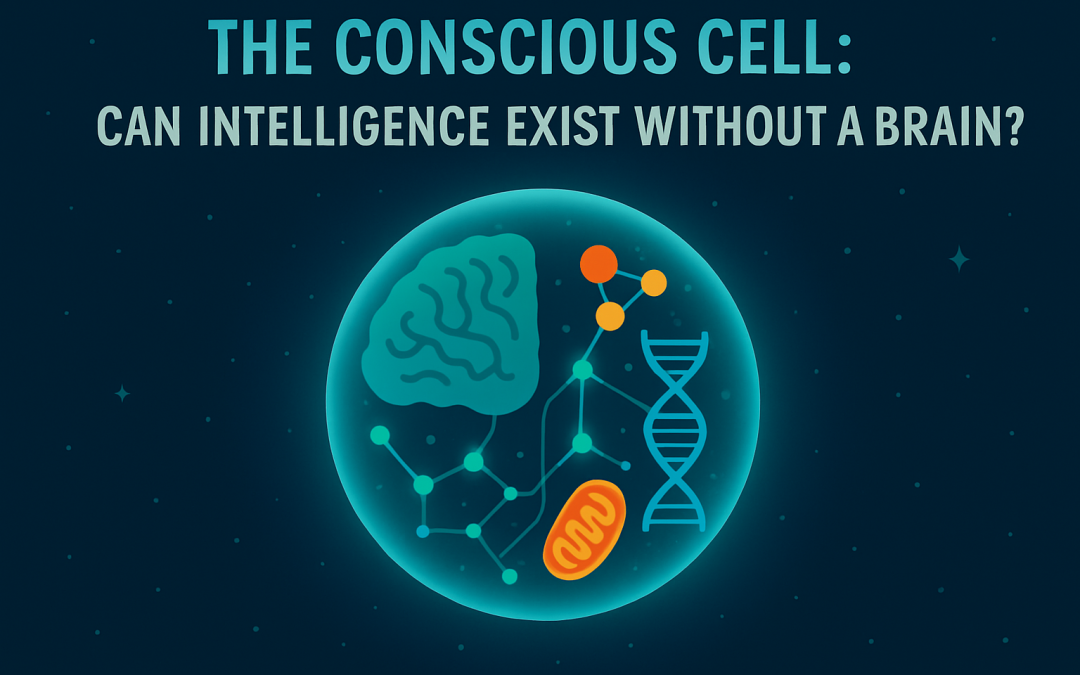
My previous article explored the question ‘What would happen if pathogens evolved intelligence?’. This article is a ‘sequel’ to that one, extending it and developing it further. This article, however, covers a deeper and more philosophical question: Can intelligence exist without a brain? And if so, would it still be classed as intelligence. To answer this question (or at least make some other interesting ones arise in your head), I will use the standard Oxford definition for intelligence: noun: the ability to acquire and apply knowledge and skills. Although intelligence itself has a much deeper meaning, I will use a simpler definition for ‘simplicity’s sake’.
My previous article explored the question ‘What would happen if pathogens evolved intelligence?’. This article is a ‘sequel’ to that one, extending it and developing it further. This article, however, covers a deeper and more philosophical question: Can intelligence exist without a brain? And if so, would it still be classed as intelligence. To answer this question (or at least make some other interesting ones arise in your head), I will use the standard Oxford definition for intelligence: noun: the ability to acquire and apply knowledge and skills. Although intelligence itself has a much deeper meaning, I will use a simpler definition for ‘simplicity’s sake’.
Intelligence in Numbers
Intelligence in Numbers
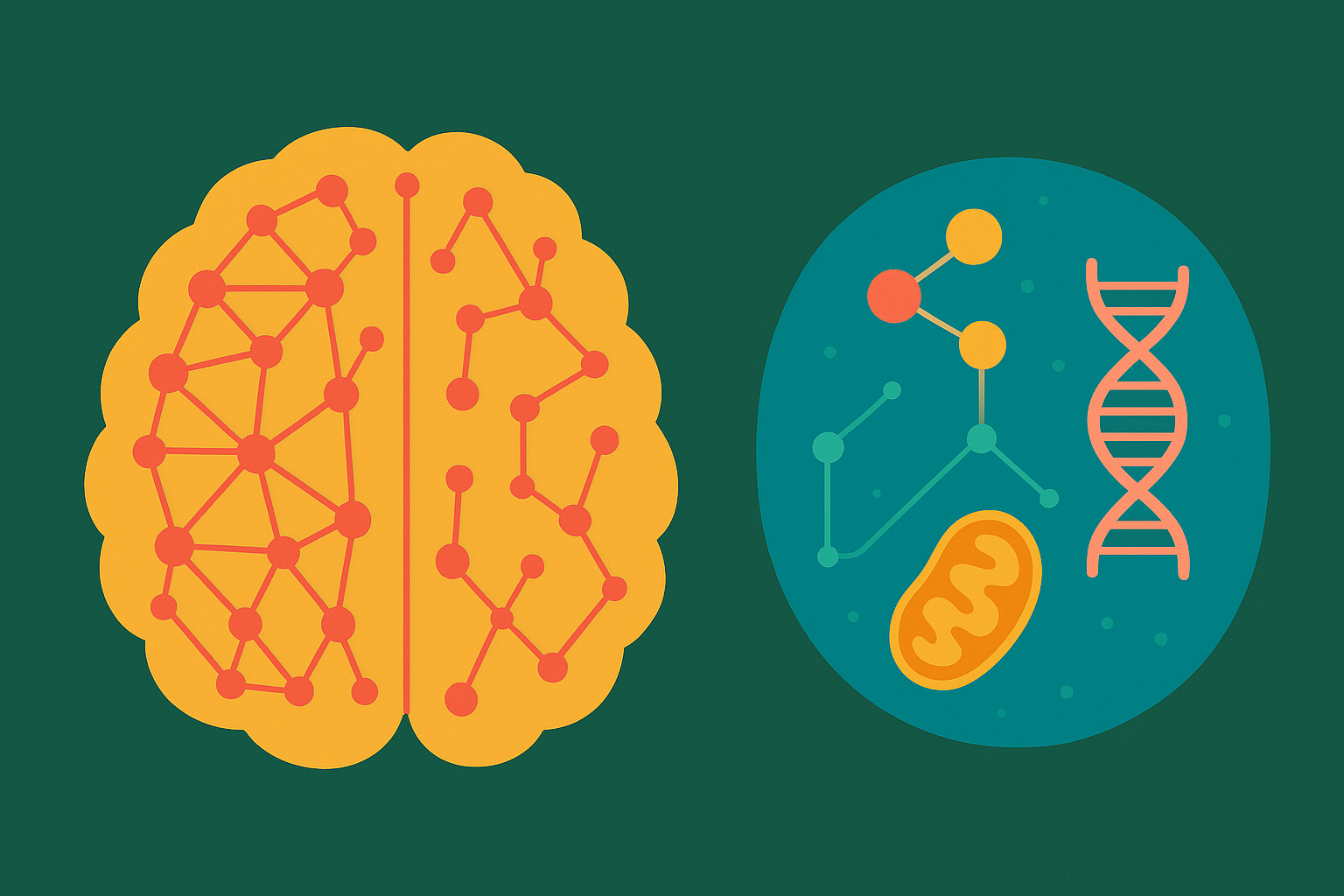
Most intelligent creatures have complex neural networks, also known as brains. This helps them memorise, learn and apply skills they have learned. If a brain were a computer processor, the code would be the neural links, and the programmer would be its past experiences and instincts. However, cells only have DNA, mitochondria, and other organelles that aid its one and only function. Then, how do other cells like slime molds show signs of early ‘intelligence’? The answer is… Chemotaxis.
Most intelligent creatures have complex neural networks, also known as brains. This helps them memorise, learn and apply skills they have learned. If a brain were a computer processor, the code would be the neural links, and the programmer would be its past experiences and instincts. However, cells only have DNA, mitochondria, and other organelles that aid its one and only function. Then, how do other cells like slime molds show signs of early ‘intelligence’? The answer is… Chemotaxis.
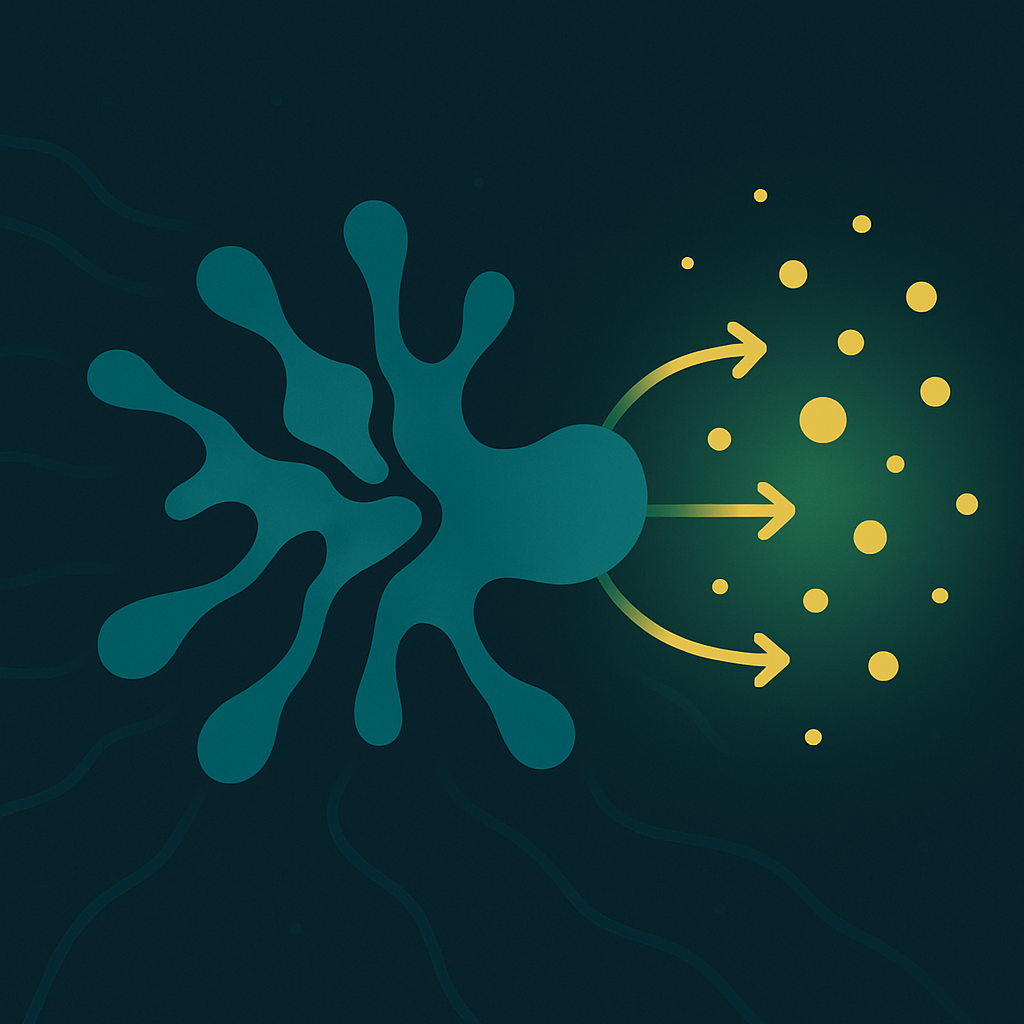
When one part of the organism detects food, it releases a chemical that attracts all the other parts. They can also respond to negative stimuli like salt or caffeine, and can avoid going around paths they have already been through by sensing the slime trails they leave behind. During gestation, when embryos develop, they just ‘know’ where to go. However, is this intelligence? Or is this instinct?
Teamwork Makes the Dream Work
Teamwork Makes the Dream Work
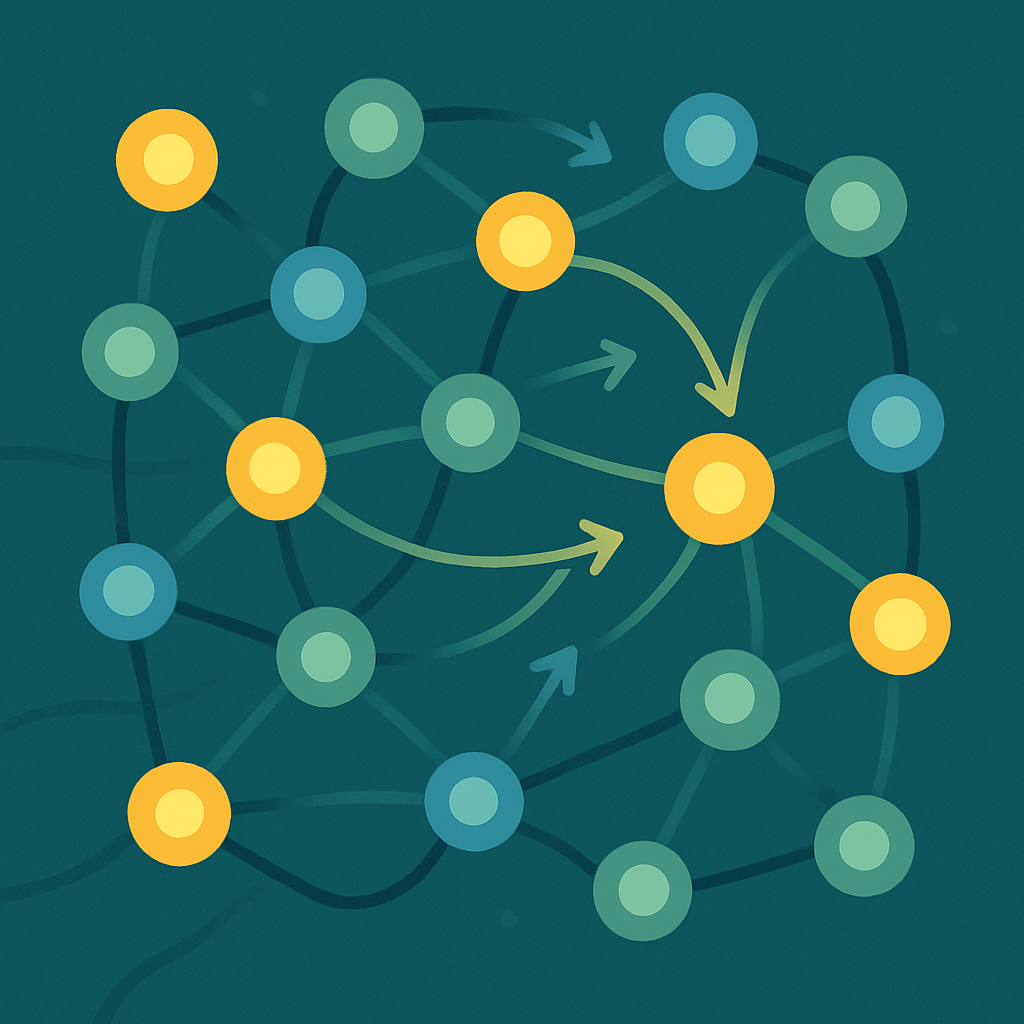
This is known as ‘collective intelligence’ where the cells work together to solve problems and aid survival. However, single-celled organisms have been known to adapt and evolve in certain circumstances. Is this already a seed of primitive intelligence? Maturana & Varela’s theory suggest that life itself is being conscious and that anything that is ‘alive’ by their standards is capable of cognition. This is obviously controversial as the standard 7 life processes do not include consciousness as one of them. Also, it suggests that life has to ‘do something’ to live. If the cell membrane of a cell is damaged the cell will have to fix it otherwise it will stop being alive. Therefore, intelligence is not merely being able to solve math problems but sense your surroundings, adapt and seek survival.
Crow vs Jelly Fish - Which One is Conscious
Crow vs Jelly fish - Which One is Conscious
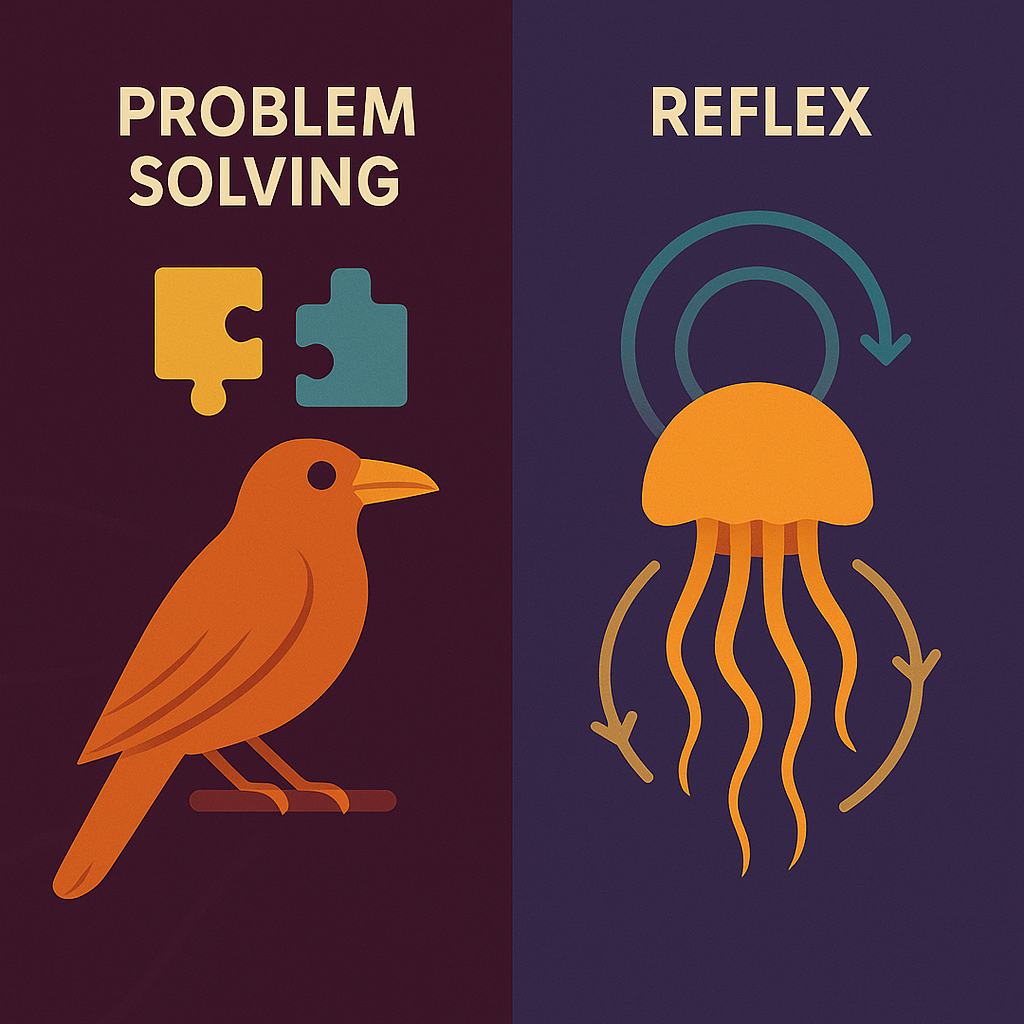
Many animals have shown some degree of consciousness, like octopuses and corvids (e.g. ravens, crows), in which consciousness manifests in the form of problem solving and future planning. However, jelly fishes and insects are dominated by a variety of reflexes and simple ‘programs’ that govern their life. Bacteria and single celled organisms have no intelligence, responding only to chemical stimuli. But, if these fundamental building blocks of life would develop intelligence, it would redefine its meaning.
Unity, Not Separation
Unity, Not Separation
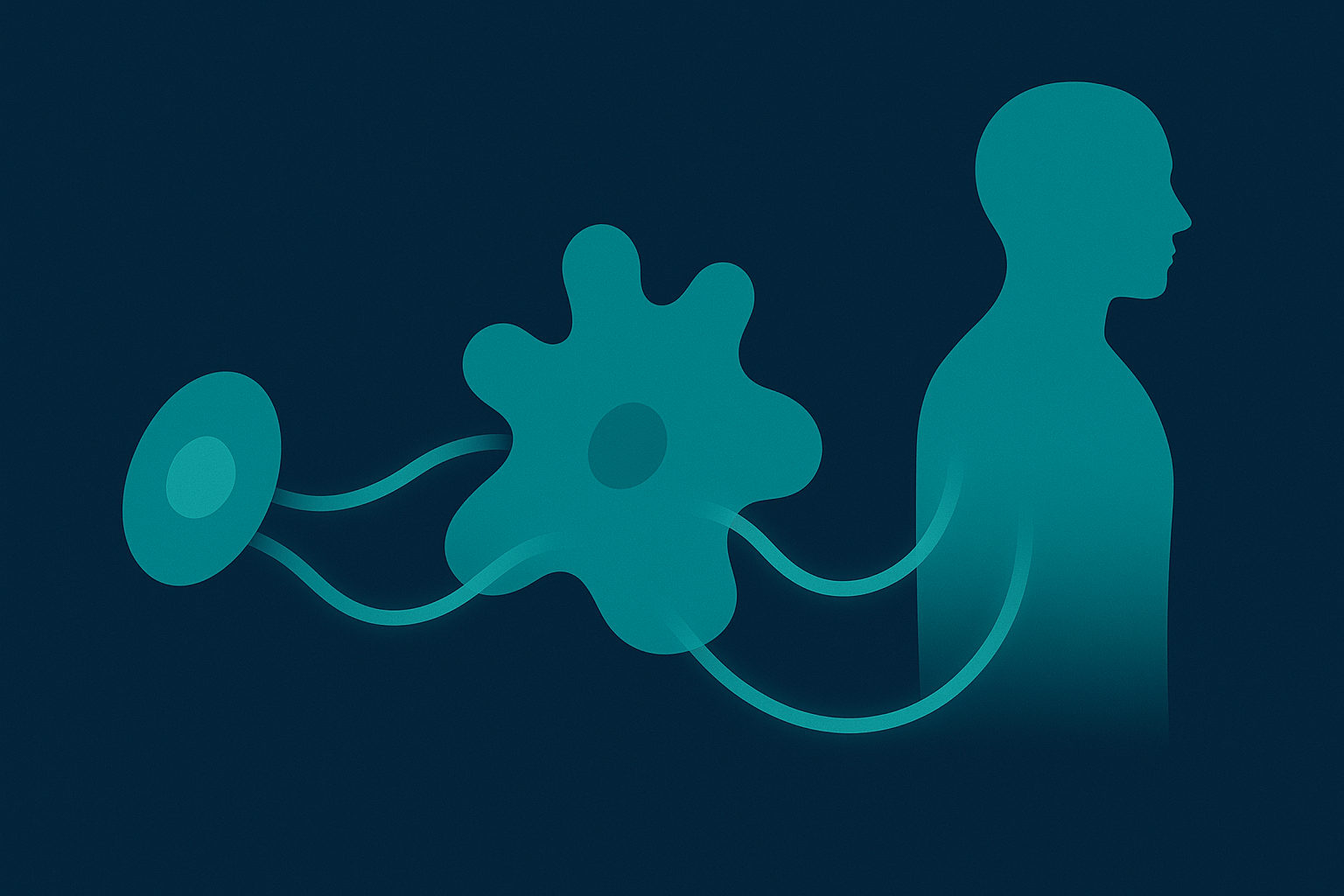
But, then if life is intelligent by nature, logically, this wouldn’t separate us, but connect us. It would reshape our society, and uproot our origins. There would no longer be a clear ‘line’ between intelligent and reflexive life, and, since our very building blocks would be protected by law, farming and agriculture would require strict anti-cruelty standards to ensure the best for both worlds.
Conscious to Unconscious - Do Cell Numbers Affect Intelligence?
Conscious to Unconscious - Do Cell Numbers Affect Intelligence?
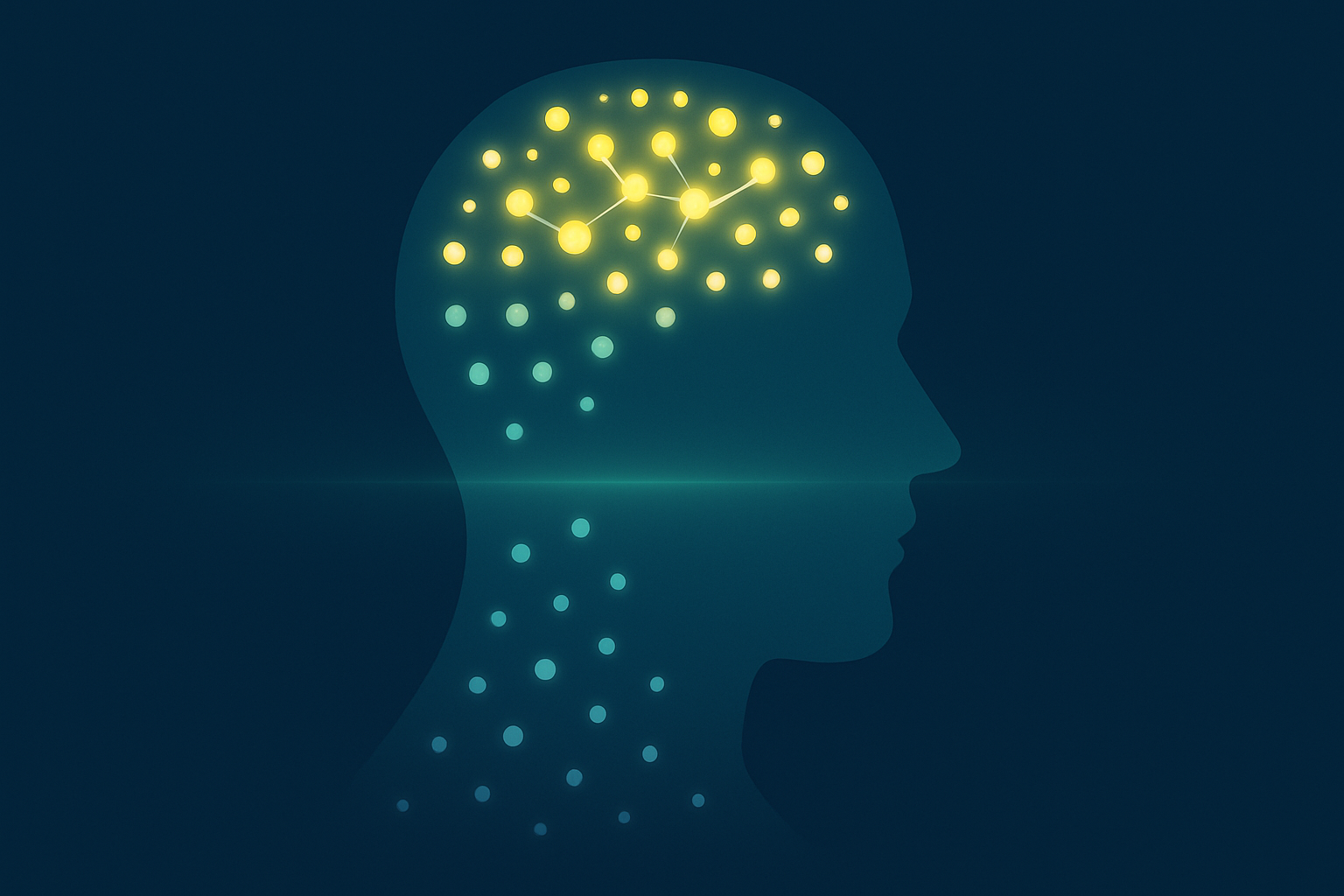
After all, we are made of unconscious cells yet we still count as conscious beings. At what scale would we not count as conscious? Supposedly (only theoretically), parts of a human brain were removed from a human. Then, at what points would a human no longer count as conscious (assuming they still stay physically conscious as in awake and functioning)? With unicellular intelligence, it would go down straight to one cell. However, with the traditional world, at around 1-1.5 million brain cells (a rough estimate) (out of the ~86 billion) we would no longer count as conscious beings but more like oversized insects.
Conclusion
Conclusion
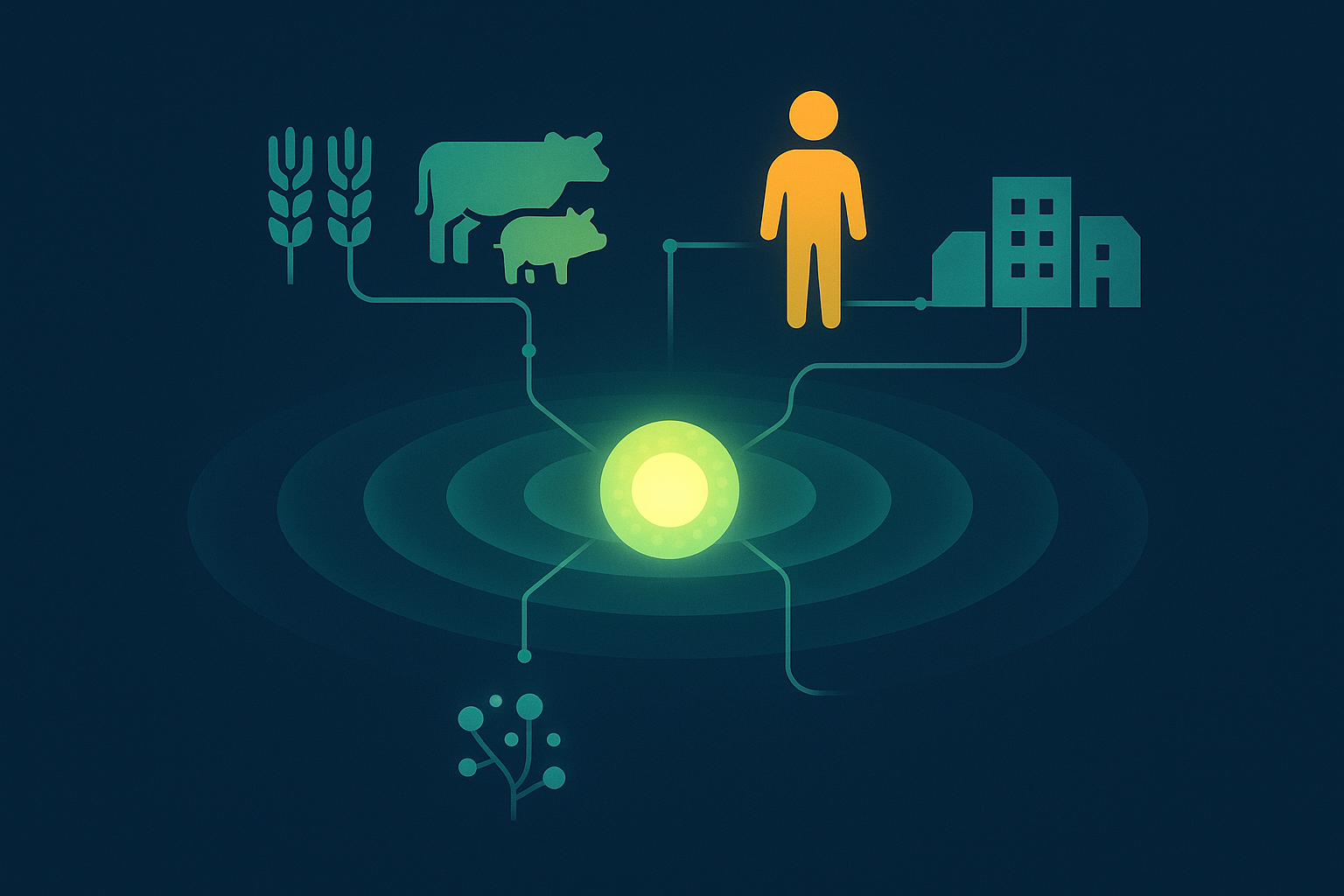
If cells became conscious, our world would turn upside down. Our previously standing system of ethics would no longer be valid, and we would have to rethink life as a whole. Would a jellyfish, made of intelligent cells, but based on reflexes be intelligent? Would animals even look the same? Or, under a new ‘leadership’ would they adapt differently, to better manipulate their surroundings – intent on not just survival, but domination? Thankfully, we shall never know, as we are a very long way off (mostly impossible) cellular intelligence. I’d love to hear your thoughts on what would happen – degeneration or evolution!