
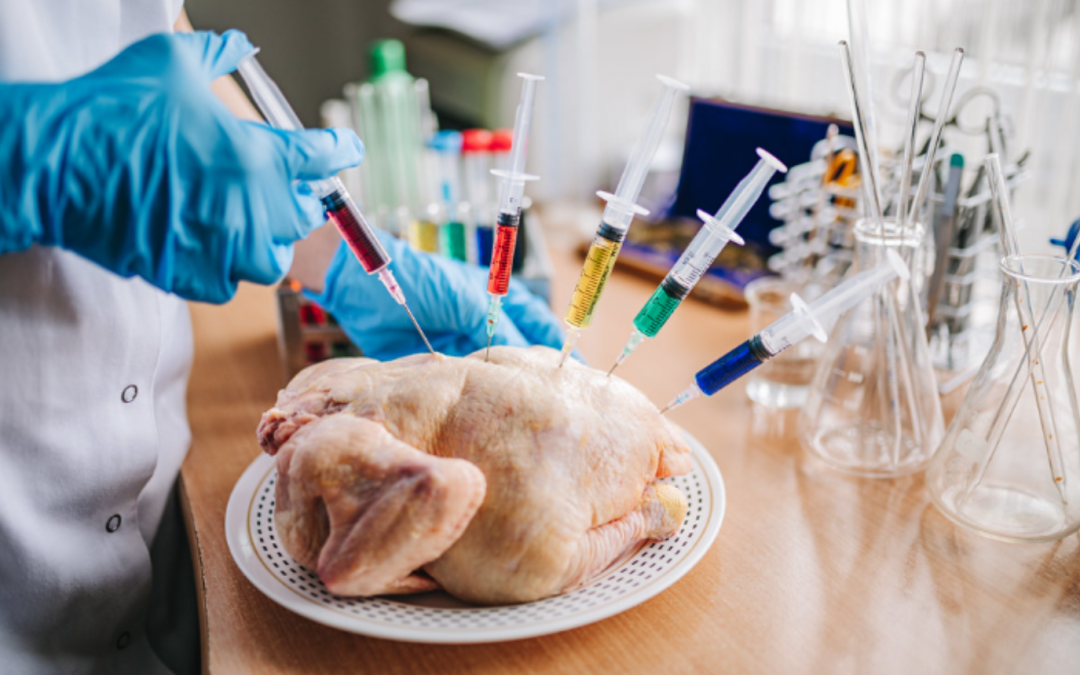
I am going to start this article with a little question: what do these 3 chemicals have in common — methyl p-hydroxybenzoate, enzymatically hydrolysed carboxy methyl cellulose and polyoxyethylene sorbitan monopalmitate? As the title may suggest, these are food additives that go by the slightly shorter names of E218, E469, and E434 in the food industry.
I am going to start this article with a little question: what do these 3 chemicals have in common — methyl p-hydroxybenzoate, enzymatically hydrolysed carboxy methyl cellulose and polyoxyethylene sorbitan monopalmitate? As the title may suggest, these are food additives that go by the slightly shorter names of E218, E469, and E434 in the food industry.
From Farm to Lab - The Evolution of the Food Industry
In the past 100 years or so, the food industry has changed dramatically, from mostly meat, fruit, vegetables, bread, etc., to the use of chemically synthesised additives designed to preserve food and change its colour, flavour and texture. Some people argue that this has led to the creation of “hyper-palatable” foods that encourage people to increase their intake. However, these chemicals can possibly be dangerous to the body, especially in large quantities (many are, of course, harmless, particularly in regulated quantities). The ethics of chemical additives have been widely discussed, but the economic benefits they bring, alongside the morality of human-based testing, may reduce the rigour of the tests that E-numbers go through.
In the past 100 years or so, the food industry has changed dramatically, from mostly meat, fruit, vegetables, bread, etc., to the use of chemically synthesised additives designed to preserve food and change its colour, flavour and texture. Some people argue that this has led to the creation of “hyper-palatable” foods that encourage people to increase their intake. However, these chemicals can possibly be dangerous to the body, especially in large quantities (many are, of course, harmless, particularly in regulated quantities). The ethics of chemical additives have been widely discussed, but the economic benefits they bring, alongside the morality of human-based testing, may reduce the rigour of the tests that E-numbers go through.
The ethics of chemical additives have been widely discussed. However, the economic benefits they bring, alongside the ethical and practical limits of human-based testing, can influence how extensively E-numbers are tested.
Before a food additive is declared safe for consumption, it undergoes testing by regulatory bodies such as the Food Standards Agency, the EU, and the FDA.
The Science of ‘Yum’
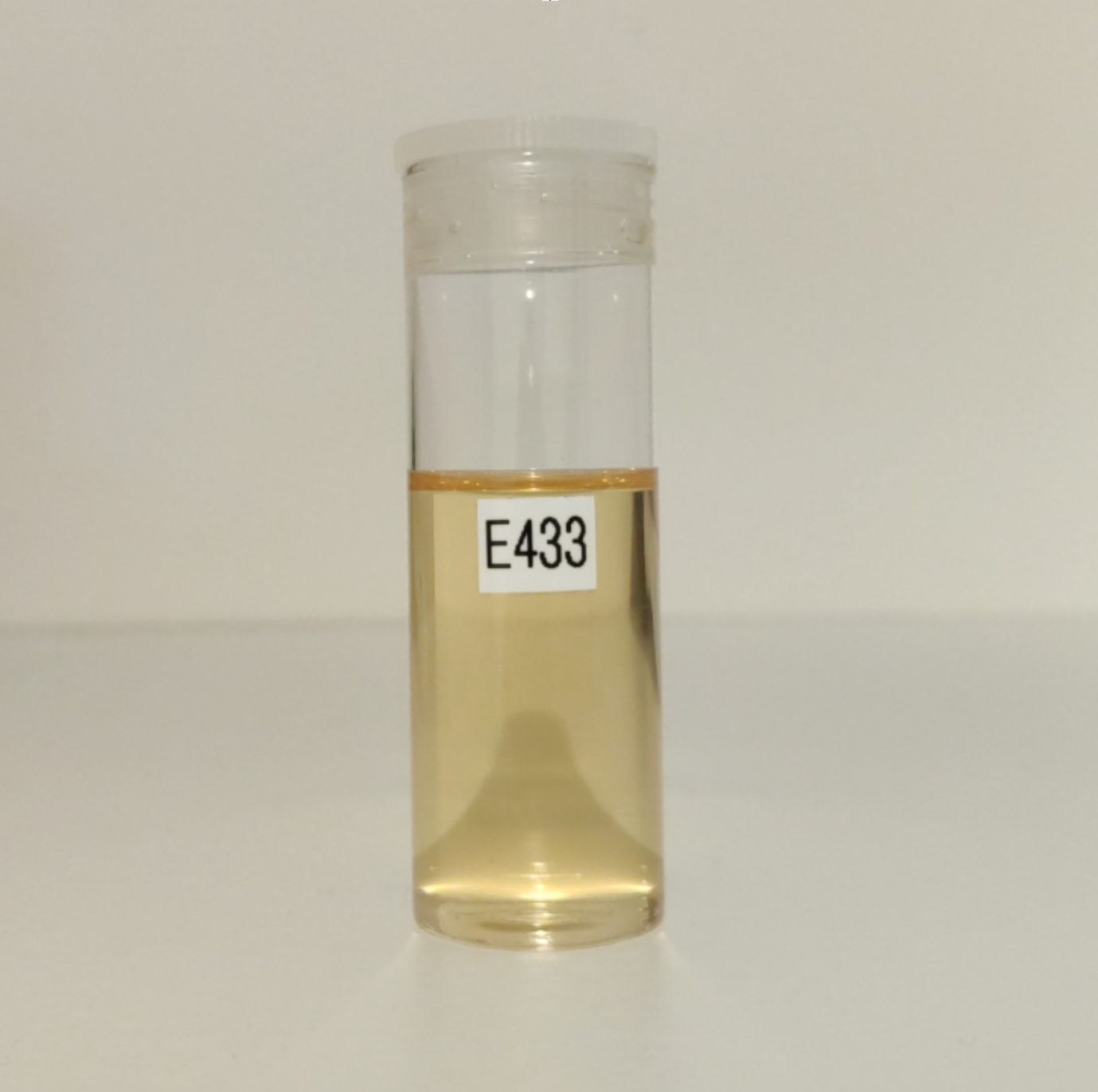
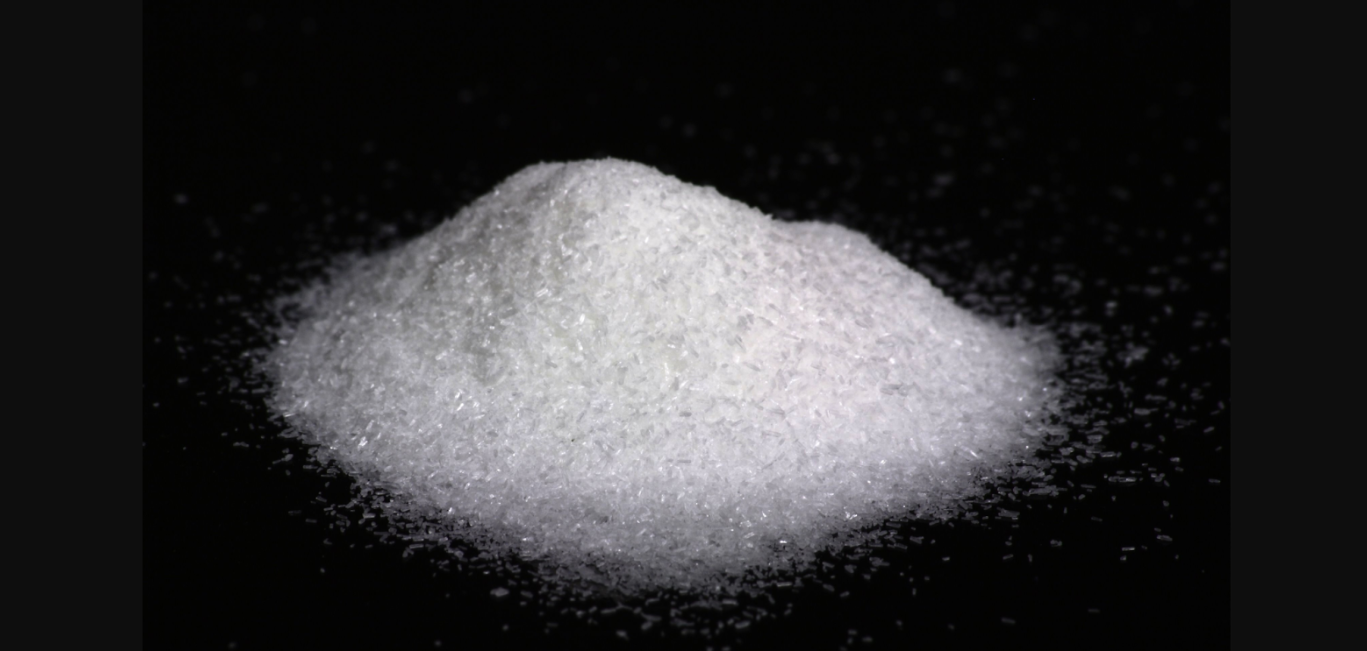
Chemicals like monosodium glutamate induce ‘umami’ flavours in large quantities, stimulating humans in ways that will cause them to continue to consume that food .(This study shows that). However, this chemical is naturally occurring in plants like tomatoes in much lower concentrations and is not inherently toxic. However, in conjunction with other possibly harmful chemicals, or highly processed ingredients, this can considerably increase intake, and exacerbate risks.
On the contrary, it is not only the chemicals with long names that can be harmful. Sugar may slip its way through most people’s guard, seemingly harmless. It activates a heterodimer of T1R2 and T1R3 proteins, triggering a chain reaction of intracellurlar signaling, which sends a neural signal to the brain, signalling sweetness. Since humans evolved to seek out energy and nutrient rich foods, it hijacks our evolutionary instincts and causes us to consume it. This is only the tip of the iceberg, and this article hopes to explore a considerable amount of that.
Mythbusting
E-numbers aren’t all bad. Some are essential vitamins and minerals, or help keep bacteria from forming in our food. However, quite a few of them do come with some rather nasty side effects. As a rule of thumb, generally avoid processed foods, or quickly look up the E numbers on the back if they are hazardous. Also, a gentle reminder: E-numbers aren’t created for causing harm or with malicious intent, but sometimes they come with side effects which make them worth avoiding.

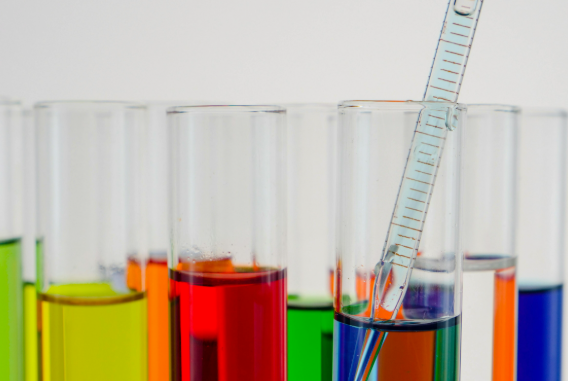
There are some particularly controversial ones, especially food colourings, flavourings and sweeteners, like Allura red (E129) or Tartrazine (Yellow 5) (E102) where studies show that they are not only linked to possibly cancer, asthma, inflammation, and intestinal issues, but to acute, and sometimes chronic ADHD-like symptoms in children, sometimes permanently, decreasing attention spans when consumed in developmental stages (the latter is extremely rare). Tests on mice have shown aspartame has a whole host of accompanying ailments, such as neuropsychiatric effects asthma, and is a suspected carcinogen (causes cancer).
Six food colourings have been flagged as causing ADHD like symptoms known as the Southampton Six:
Tartrazine (E102) – linked in some individuals to hives, itching, asthma, ADHD like symptoms, possibly tumour growth
Quinoline yellow (E104) – Skin sensitivity, contact dermatitis, allergic reactions, ADHD like symptoms
Sunset yellow (E110) – Allergic reactions, high doses can damage spleen, liver or kidney, ADHD like symptoms
Carmoisine (E122) – Allergic reactions, Asthma, ADHD like symptoms
Ponceau 4R (E124) – ADHD like symptoms, brain development hindering, possibly causes tumors
Allura red (E129) – Gastrointestinal issues, ADHD like symptoms, allergy reaction.
Conclusion
The subject of food additives has been widely debated, but economical bias must be taken into account. However, do you think that humanity will ever realise their mistakes with these chemical additives? Or will it continue along this path, adding ever more complex (and sometimes harmful) chemicals into the food we eat. Write down in the comments below, or take part in the poll whether you think E numbers should be banned.
I’m not as excited about using E-numbers for flavour or colour enhancing but am much more open to the idea of using them for food preservation to try and minimise food waste!