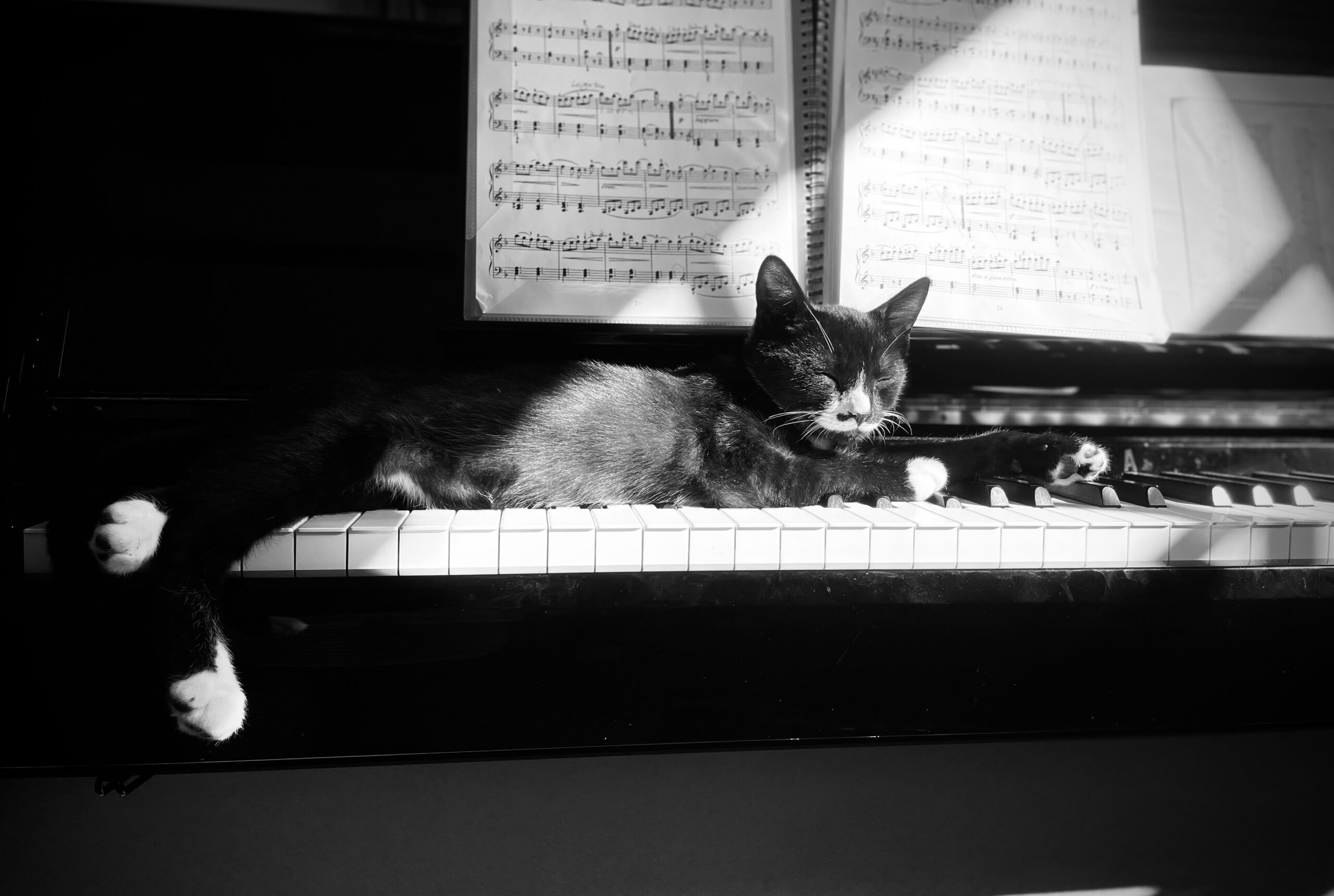
I have always been a cat person, and have taken great pride in that. So, as a consequence of my love for these creatures, I have decided to write an article about them! These fascinating beings are mostly known for being flexible and hunting birds, but there is actually more to them than just their physicality. With modern science, we can uncover what has long been thought to be impossible: what is going on inside a cat’s head? (For purposes of simplicity, I have chosen to write about domestic cats only, occasionally branching off to other members of the felidae family.)
In this article, we will not only answer that, but a whole plethora of other questions and facts, along with some history of how cats came to be in our homes.
The History of Cats: From Wild Hunters to Household Companions
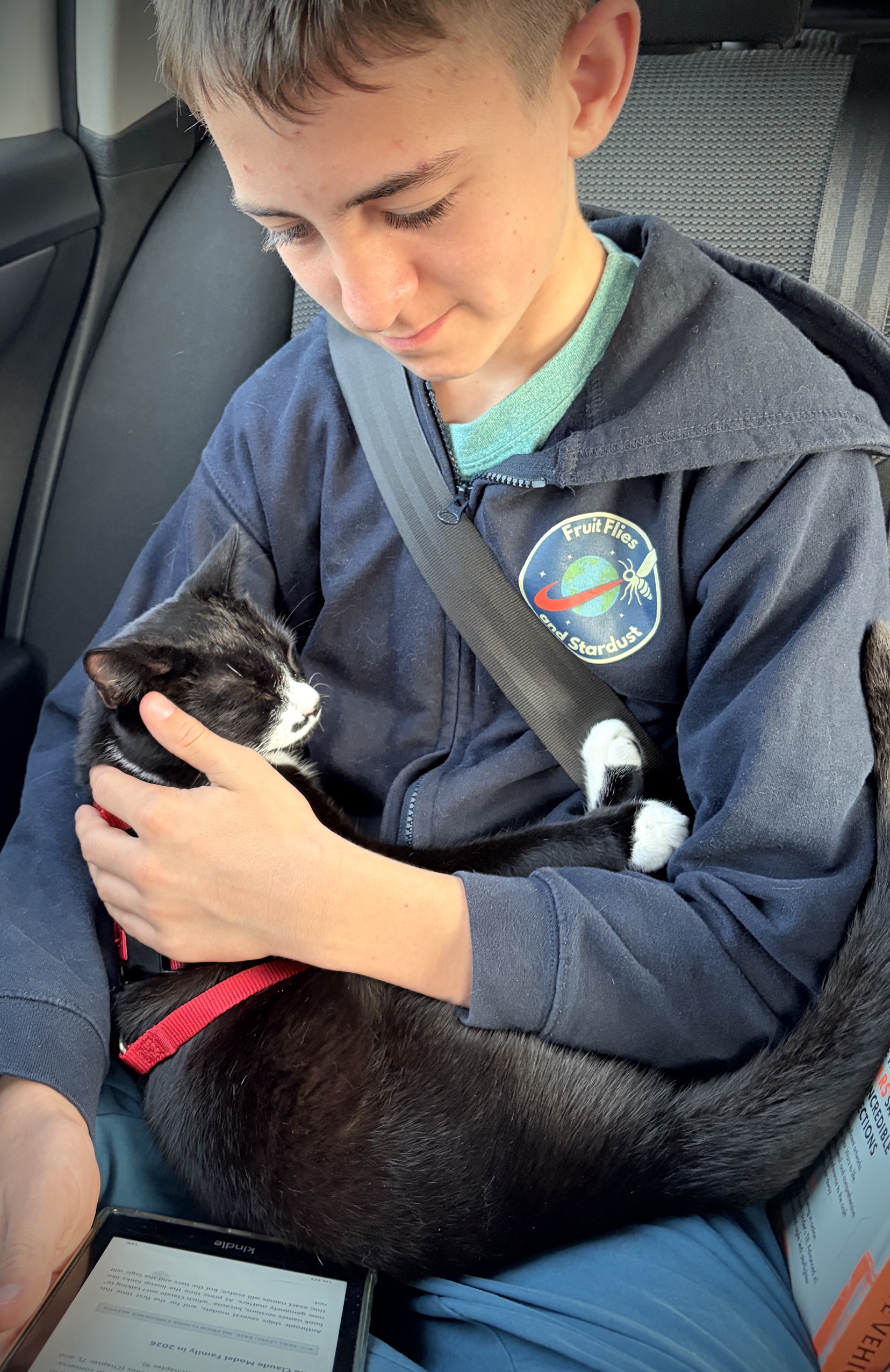
Around 10–12,000 years ago, in the Fertile Crescent (a boomerang-shaped area in the Middle East which is widely remembered as the ‘cradle of civilisation’) cats started to be domesticated. Unlike dogs, which were purposefully bred by humans and intentionally domesticated, cats found their use on early farms by consuming rodents such as house mice (Mus musculus). They also fed on human food remains and learned to associate fire and humans with food. Eventually, when humans set sail, cats followed rodents onto ships, and ended up being distributed around the world. Cats soon began to develop traits that allowed them to seem more appealing to humans, to be able to get more food. The first recording of the taming of a wild cat was in around 7500 BCE in Cyprus where it was excavated. Later, in Egypt, we have found the first tangible evidence of a cat being domesticated, cats being painted on walls and mummified felines along with their fellow humans.
Around 10–12,000 years ago, in the Fertile Crescent (a boomerang-shaped area in the Middle East which is widely remembered as the ‘cradle of civilisation’) cats started to be domesticated. Unlike dogs, which were purposefully bred by humans and intentionally domesticated, cats found their use on early farms by consuming rodents such as house mice (Mus musculus). They also fed on human food remains and learned to associate fire and humans with food. Eventually, when humans set sail, cats followed rodents onto ships, and ended up being distributed around the world. Cats soon began to develop traits that allowed them to seem more appealing to humans, to be able to get more food. The first recording of the taming of a wild cat was in around 7500 BCE in Cyprus where it was excavated. Later, in Egypt, we have found the first tangible evidence of a cat being domesticated, cats being painted on walls and mummified felines along with their fellow humans.
This may seem like humans were the ones doing the domesticating, but in fact, it wasn’t. Cats actually evolved to humans rather than the other way round and by the early 16th century, cats had effectively conquered the world, with humans by their side. They first came along as mousers, cats which ate mice that would otherwise urinate and defecate on barley and grains, and later on by the 19th century started moving into our homes.
The Feline Body: An Evolutionary Masterpiece
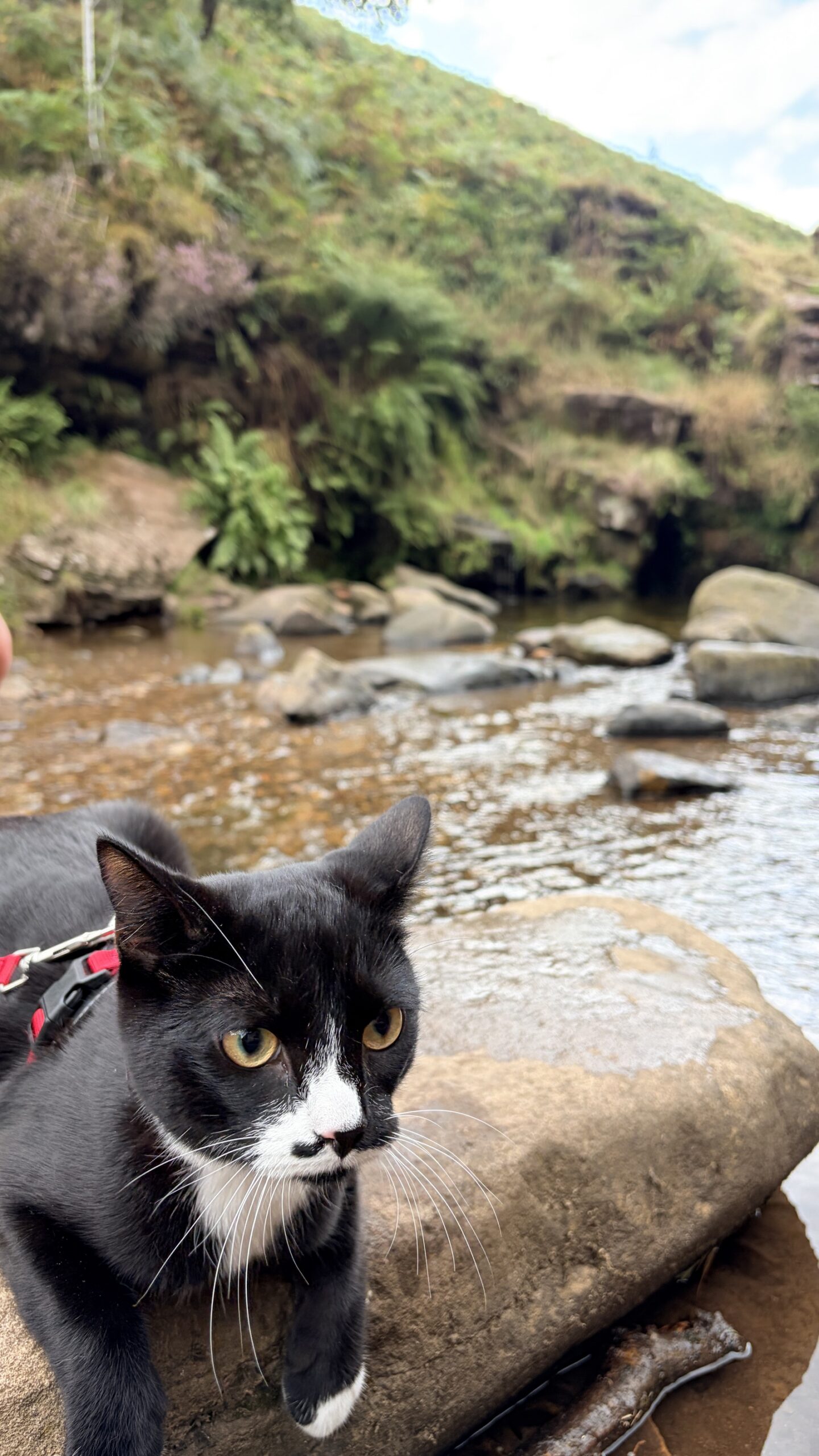
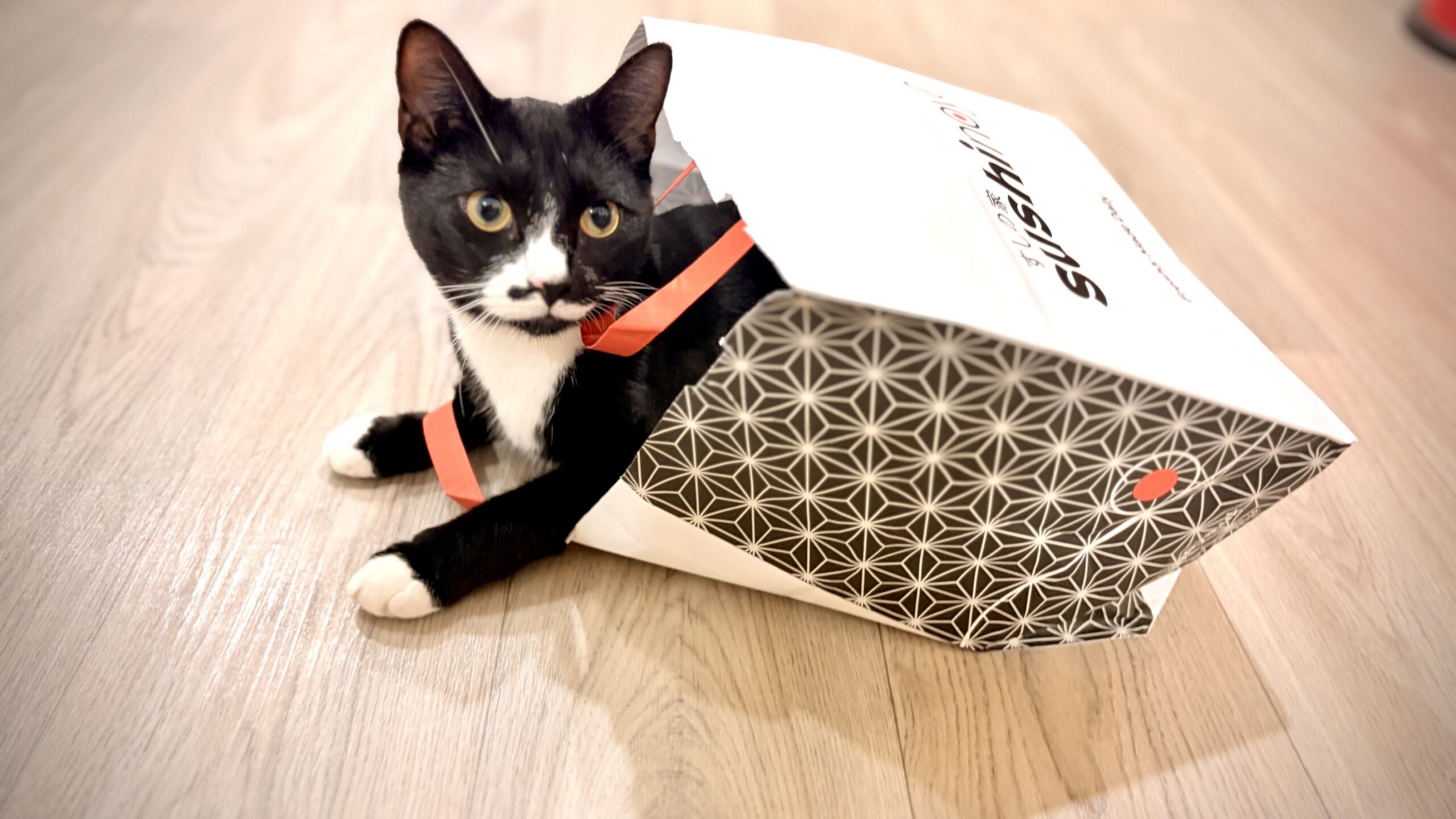
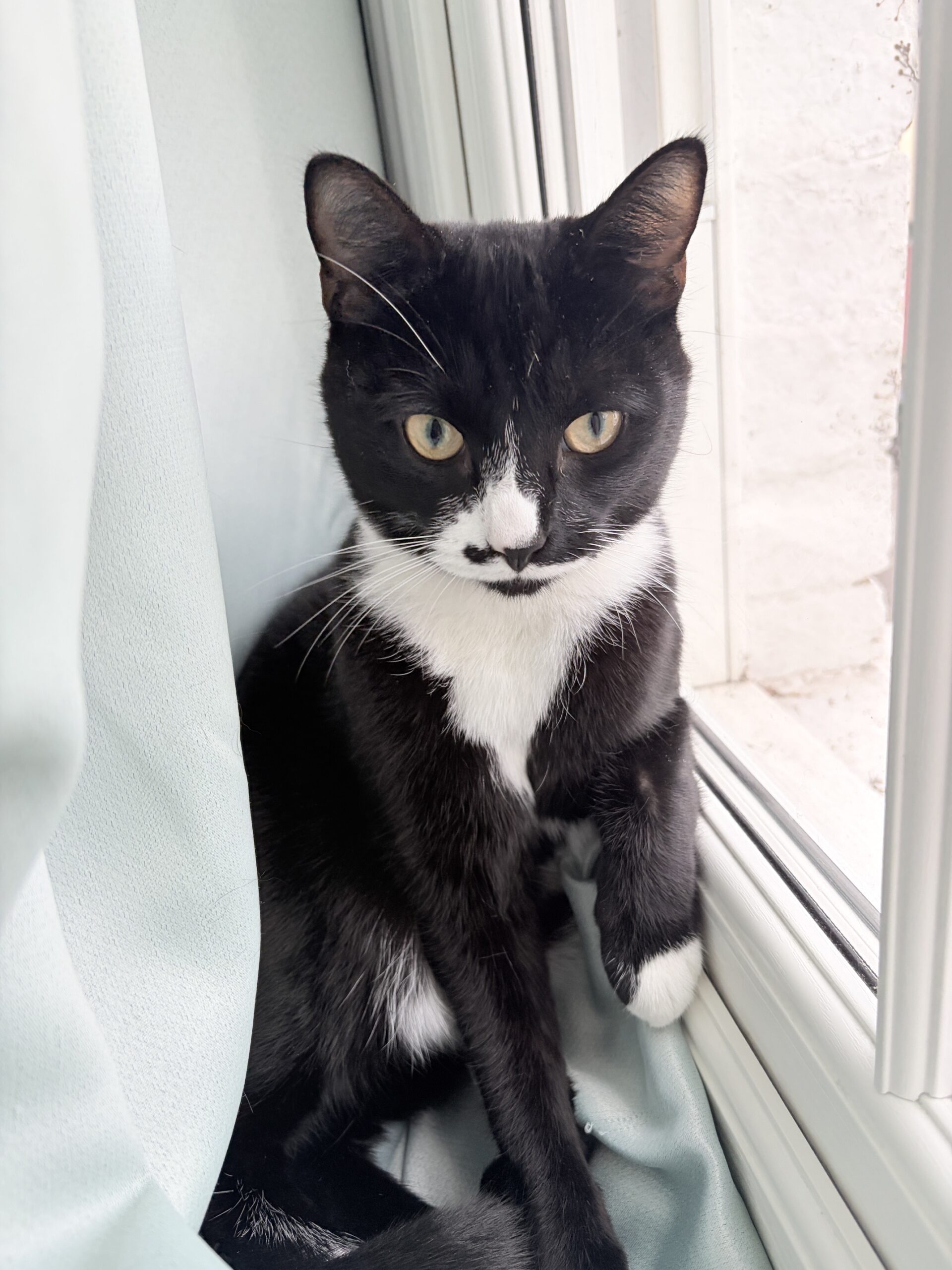
But here is the amazing part. Unlike dogs which were bred for certain characteristics and were tamed, cats still have retained a lot of their predatorial features. If you have ever witnessed a cat chase down a pigeon or a squirrel, you will see for yourself the incredible power and flexibility that rests in one body. A greyster may be incredibly fast but lacks the agility and flexibility of a cat. A Jack Russell terrier may be able to climb trees, but then is devoid of the extreme acceleration a cat can pull off (0–25 mph in one second), not to mention the plethora of kitchen knives concealed in its claws. Cats’ ligaments have collagen that is uniquely structured and allows the ligaments to stretch much more than humans and instead of deep, locking joints like that of humans, have shallower flatter joints and rely on the said ligaments to keep the bones in place.
Are Cats Liquid? The Physics of Feline Flexibility
A physicist, Marc-Antoine Fardin even published a paper titled ‘On the Rheology of Cats’ (Rheology is the study of deformation and flow of matter.) The paper is linked here: On the Rheology of Cats.
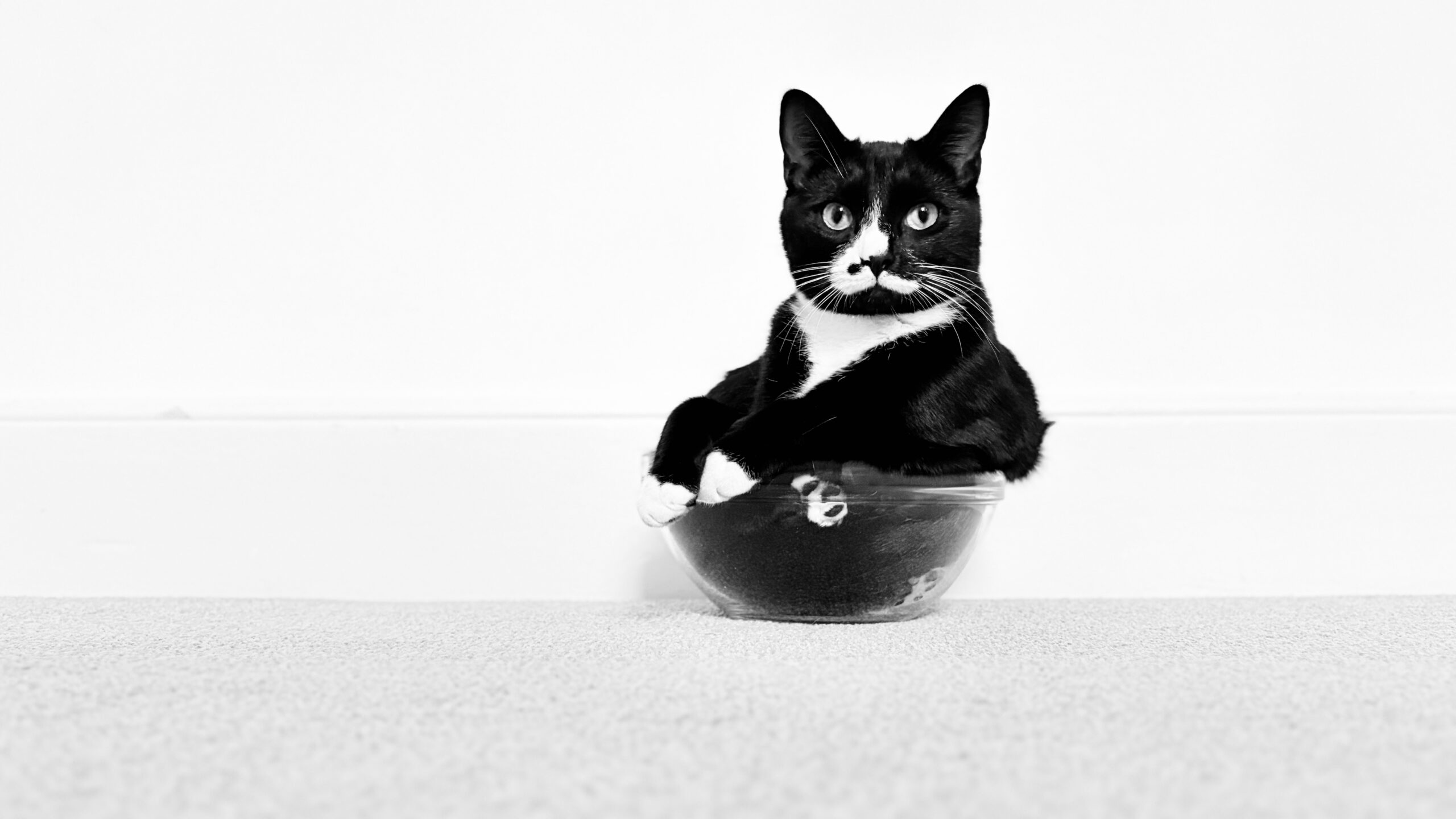
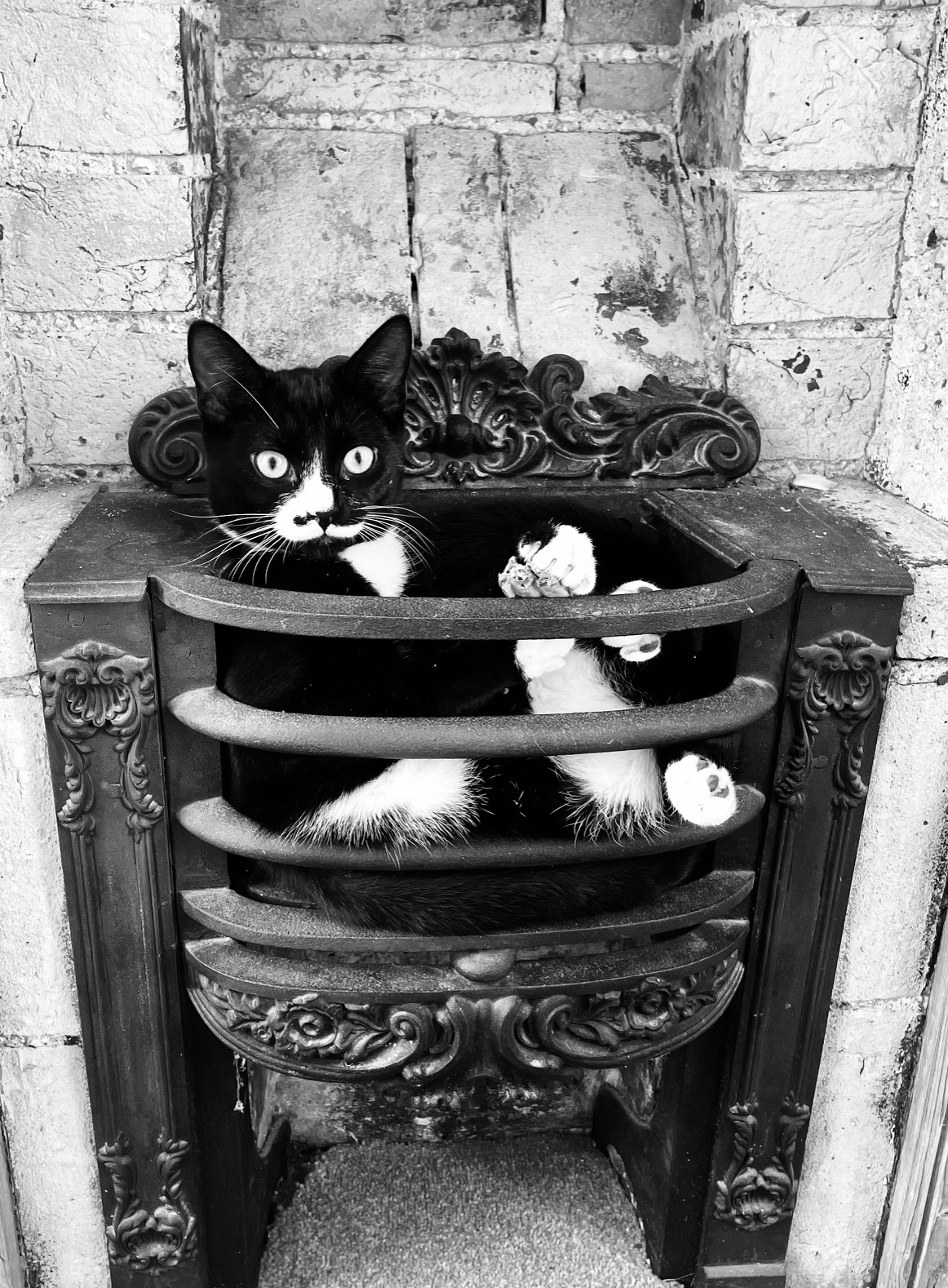
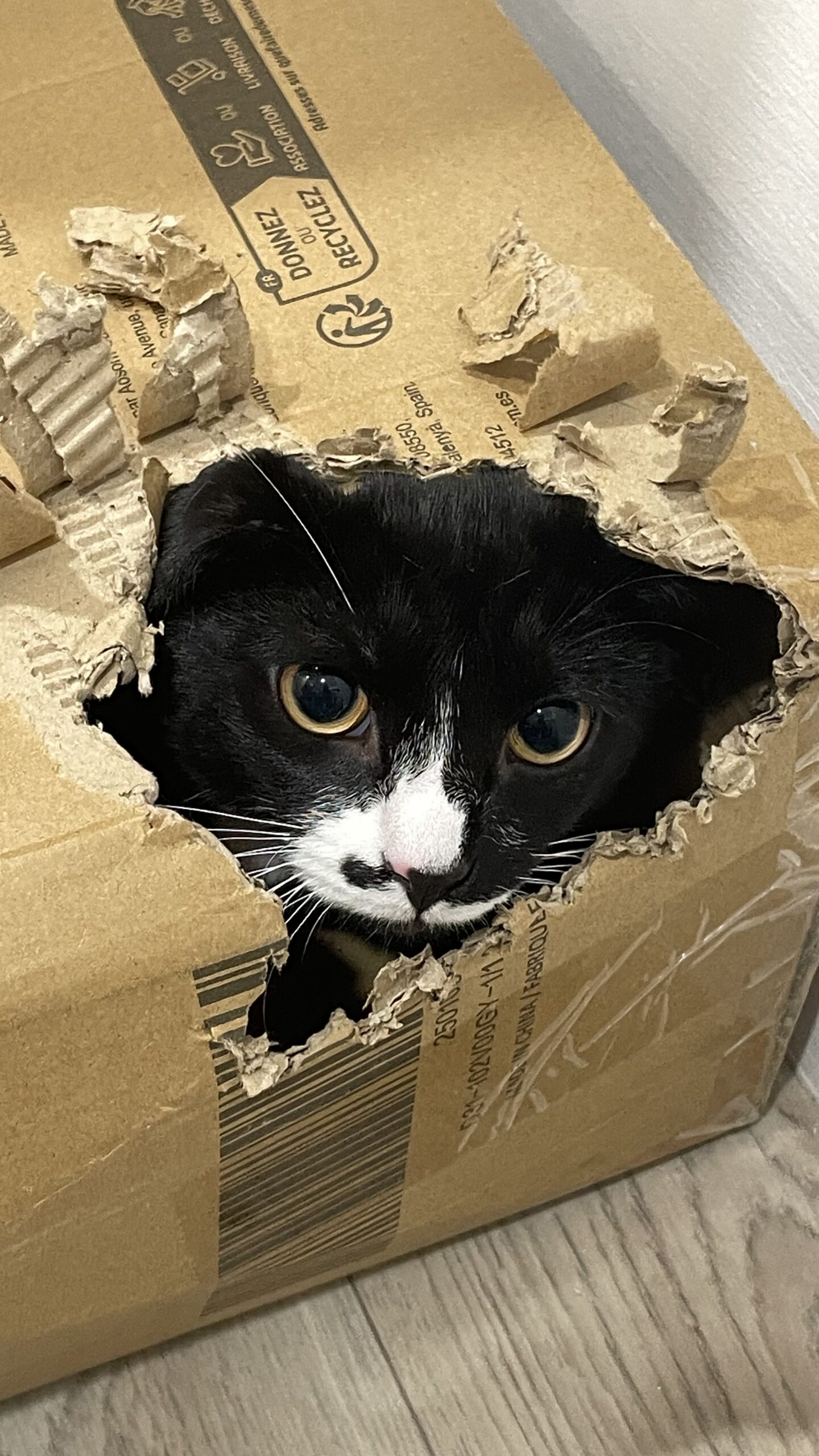
But I will attempt a short summary: The definition for a fluid is a substance that flows to fit the volume of its container and a cat actually meets that definition. A cat, once left for a while will indeed relax and flow to fit their container (see above). This has raised the question — are cats liquid? We can find the Deborah Number of a cat (a number that measures how a number flows and deforms over time) by using the equation De = ʎT where De is the Deborah number, ʎ is material relaxation time and T is observation process/timescale. Using a long process (you can see in the paper) we can establish T to be the inverse of the frequency of the movement of the substance (in this case the cat) and using a long process, ʎ is between 1s to 1 minute. Using this we can establish De to be greater than 1 (behaving like a solid if the observation time is less than 1s (the cat is bouncing or moving/twisting) and less than 1 (liquid) when observation time is greater than 1s–1 minute (depending on specimen of cat) since the cat has time to relax.
The Cat Righting Reflex: Defying Gravity?
Another fascinating feature of these felines is their ability to self-right whenever they are falling. This is actually a multiple-part reflex that involves conservation of angular momentum, which means the total angular momentum of a closed system remains constant (it does not change) as long as no net external torque acts on the system. Basically if you spin an object at arm’s length and then pull it inwards, while spinning, your rotation speed will increase. Cats utilise this to change their rotation velocity mid air. Landing is split into 4 stages- Orientation, Front-half twist, Rear half twist and tail balance, Impact stage.
During the orientation stage, the cat uses their vestibular apparatus (inner ear) and eyesight to locate the ground and its relative position/orientation to the cat. Next they bend their spine sharply in the middle to split its body into 2 separate rotational axes and tuckes its front paws under it’s chin causing its front side to spin quickly. This makes the front half of the cat twist 180 degrees. Then it extends it’s front paws to slow its frontal rotation and retracts its back legs and spins its tail to increase it’s rear spinning velocity. Finally it extends it’s front legs and back legs to stop the spinning completely and uses them to absorb the impact.
The especially shocking part is that this usually happens under a second. This isn’t limited to cats only though. Squirrels rabbits and other rodents also share this reflex, but cats are the largest animals that can safely exhibit the righting reflex (except apes and big cats, but for them it can frequently end in injury.)
The Final Meow
Cats are, in short, fascinating creatures, and I have in no way covered their entire skillset or abilities. But I at least have covered the more prominent features of these compact hunters and think that it is important to appreciate the incredible science below the cute fur, tail and whiskers. Comment below if you have any questions, or if you own a cat!
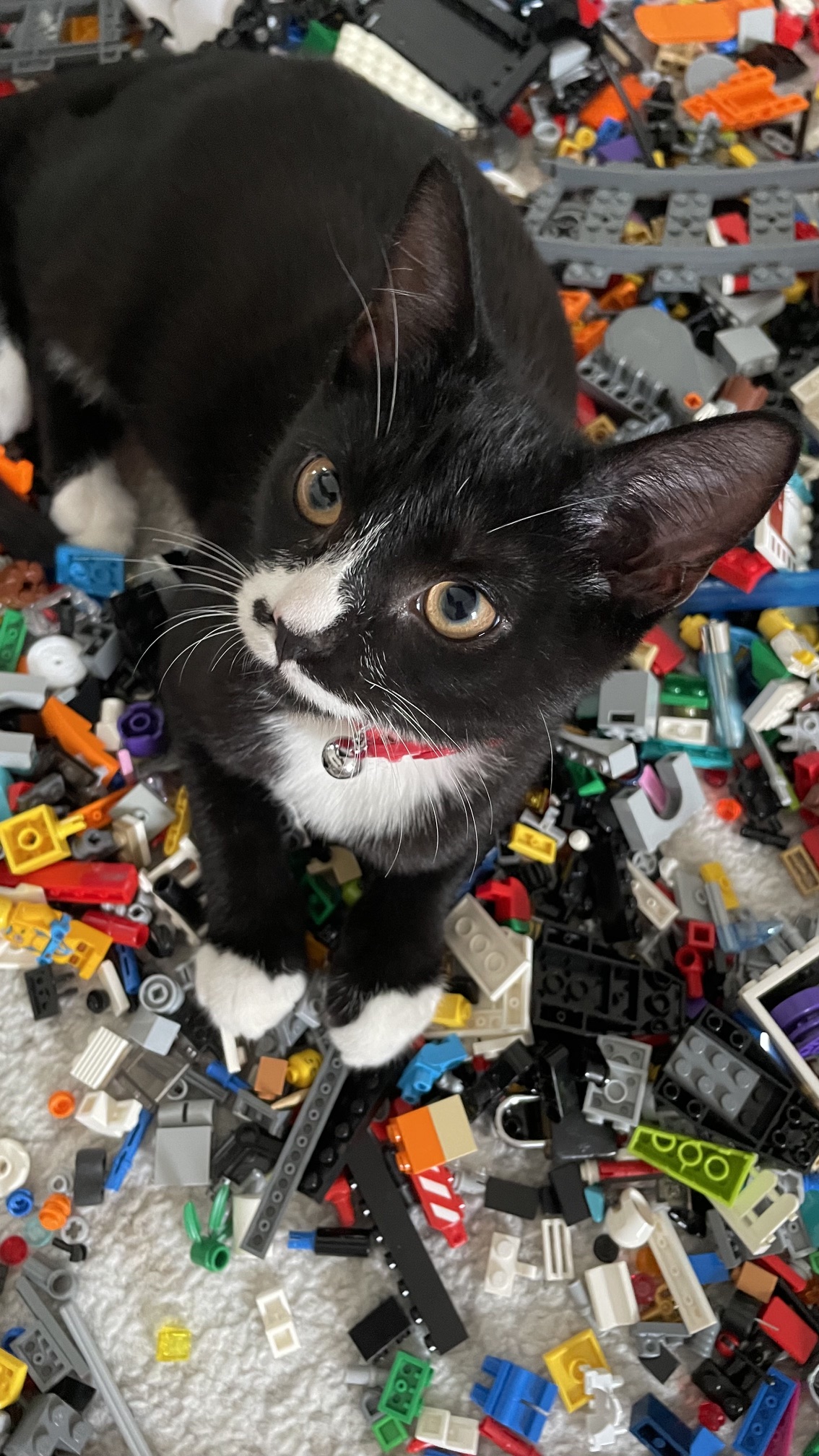
All images were created with permission from my cat, Quark.